


Introduction
If you’ve ever jumped into a gym battle or raid in Pokémon GO and wondered why your strongest Pokémon fainted in seconds, you’re not alone. Many trainers focus only on Combat Power (CP), but the real secret weapon lies in understanding the type chart.
Think of it like rock-paper-scissors—but with dragons, ghosts, and electric mice. Once you understand how types interact, battles start to feel less random and more strategic. In this guide, we’ll break everything down in plain English so you can confidently choose the right counters and win more often.
What Is the Pokémon GO Type Chart?
The Pokémon GO type chart is a guide that shows which Pokémon types are strong or weak against others. Every Pokémon and every move belongs to a specific type—like Fire, Water, Grass, Electric, or Dragon.
When one type attacks another, the damage can be:
- Super effective
- Neutral
- Not very effective
- Immune (rare in Pokémon GO)
It’s basically the battle rulebook. Ignore it, and you’re guessing. Learn it, and you’re planning.
Why Type Matchups Matter More Than CP
Let’s be honest—most of us look at CP first. Bigger number, better Pokémon, right?
Not always.
A lower CP Water-type can defeat a higher CP Fire-type simply because of the matchup advantage. Type effectiveness can increase damage significantly, making it far more important than raw power.
Imagine bringing a water gun to put out a fire versus throwing paper at it. Which makes more sense?
Understanding Strengths and Weaknesses

Every type has:
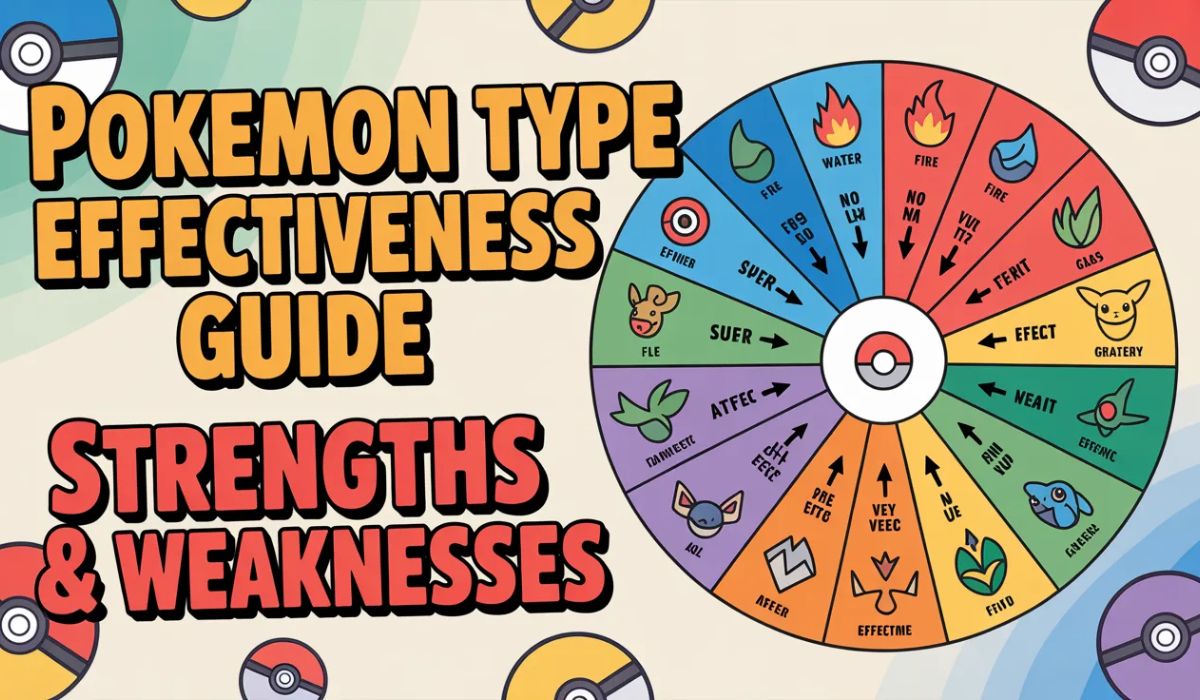
- Types it’s strong against
- Types it’s weak against
For example:
- Fire beats Grass
- Water beats Fire
- Electric beats Water
But it also works defensively. If your Pokémon is weak to a type, it takes extra damage.
Understanding both sides—offense and defense—is what separates casual players from skilled trainers.
Super Effective vs Not Very Effective
Here’s how damage works in simple terms:
- Super Effective: Deals extra damage
- Not Very Effective: Deals reduced damage
- Neutral: Normal damage
When you see the “Super Effective!” message in battle, that’s your cue that you chose wisely.
Stacking super effective moves can turn even a tough raid boss into a manageable fight.
Dual Types Explained
Some Pokémon have two types instead of one.
For example:
- Water/Flying
- Grass/Poison
- Dragon/Flying
This changes everything.
If a Pokémon is weak to Electric twice (because both types are weak), it takes massive damage. On the other hand, dual types can cancel weaknesses.
Think of dual typing like wearing two layers of armor—sometimes it protects you better, sometimes it exposes new gaps.
Same-Type Attack Bonus (STAB)
Here’s something many players overlook: Same-Type Attack Bonus (STAB).
When a Pokémon uses a move that matches its own type, it deals extra damage.
Example:
- A Fire-type using a Fire move hits harder than using a random move.
It’s like a chef cooking their signature dish—they just do it better.
Always try to match moves with the Pokémon’s type whenever possible.
All Pokémon GO Types Overview
Currently, there are 18 types in Pokémon GO:
- Normal
- Fire
- Water
- Electric
- Grass
- Ice
- Fighting
- Poison
- Ground
- Flying
- Psychic
- Bug
- Rock
- Ghost
- Dragon
- Dark
- Steel
- Fairy
Each has its own strengths and weaknesses. For example:
- Fighting is strong against Normal and Rock
- Fairy is strong against Dragon
- Ground is strong against Electric
Knowing these interactions helps you build a balanced team.
Best Offensive Type Combinations
If you want to deal maximum damage, focus on types known for offensive strength:
- Dragon-type attackers – Great neutral coverage
- Fighting-types – Strong against many common raid bosses
- Ice-types – Excellent against Dragon and Flying
- Ground-types – Powerful against Electric and Fire
Popular examples include:
- Dragonite
- Mewtwo
- Garchomp
These Pokémon dominate because of their type advantages and strong moves.
Best Defensive Type Combinations
Some types are built like tanks.
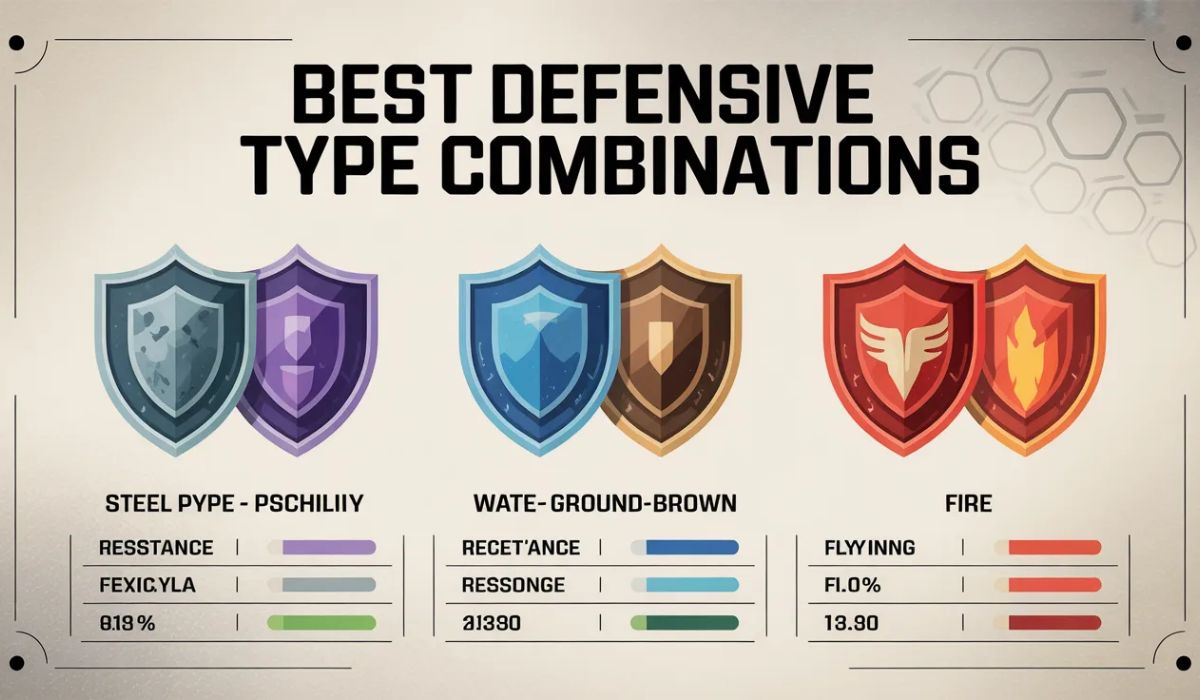
- Steel-types resist many attacks
- Fairy-types resist Dragon
- Dark-types resist Psychic
Combining defensive types creates powerful walls. For example, Steel/Fairy is extremely durable.
In PvP leagues, defensive typing often matters more than raw attack power.
Type Strategy for Raids
Raids require teamwork and smart counters.
Before entering a raid:
- Check the boss’s type
- Identify its weaknesses
- Choose super effective attackers
For example, if the boss is Fire-type, bring Water or Ground Pokémon.
Don’t just use your highest CP Pokémon. That’s a rookie mistake.
Type Strategy for PvP Battles
PvP (Player vs Player) is a mind game.
In leagues like Great League or Ultra League:
- Balance offense and defense
- Cover each Pokémon’s weaknesses
- Use shields wisely
You want team synergy. If one Pokémon is weak to Electric, another should resist it.
Think of your team as a puzzle—every piece must fit.
Common Mistakes Trainers Make
Let’s be real—we’ve all done these:
- Ignoring type weaknesses
- Using random move sets
- Relying only on CP
- Forgetting dual-type interactions
Avoiding these simple mistakes can dramatically increase your win rate.
How to Memorize the Type Chart Easily
The type chart can feel overwhelming. But here’s how to simplify it:
- Group similar types
- Learn common matchups first
- Focus on popular raid bosses
- Practice regularly
You don’t need to memorize everything at once. Start small. Over time, it becomes second nature.
Pro Tips to Dominate Battles
Want an edge?
- Always check movesets
- Power up versatile attackers
- Build multiple type specialists
- Use weather boosts strategically
- Study raid rotations
Battles in Pokémon GO aren’t random. They reward preparation.
FAQs
1. What is the most powerful type in Pokémon GO?
There isn’t one single strongest type. Dragon and Fighting are strong offensively, but effectiveness depends on matchups.
2. Does CP matter more than type advantage?
No. Type advantage usually has a bigger impact than raw CP in battles.
3. What is STAB in Pokémon GO?
STAB stands for Same-Type Attack Bonus. It increases damage when a Pokémon uses a move matching its type.
4. How do dual types affect battles?
Dual types can double weaknesses or cancel them out, making matchups more complex.
5. How can I quickly learn the type chart?
Focus on common matchups, practice in raids, and gradually memorize strengths and weaknesses over time.
Conclusion
The Pokémon GO type chart isn’t just a reference sheet—it’s your strategic roadmap. Once you understand strengths, weaknesses, and type combinations, battles stop feeling chaotic and start feeling calculated.
You don’t need to memorize all 18 types overnight. Start by learning the most common matchups, build balanced teams, and pay attention to move types. With practice, you’ll notice a huge difference in your raid performance and PvP success.
Master the types, and you master the game.


